
This article breaks down the most common trader mistakes that lead to major losses, explains why they happen, and shows how data-driven traders protect themselves in today’s global trade environment.
2 months, 3 weeks ago
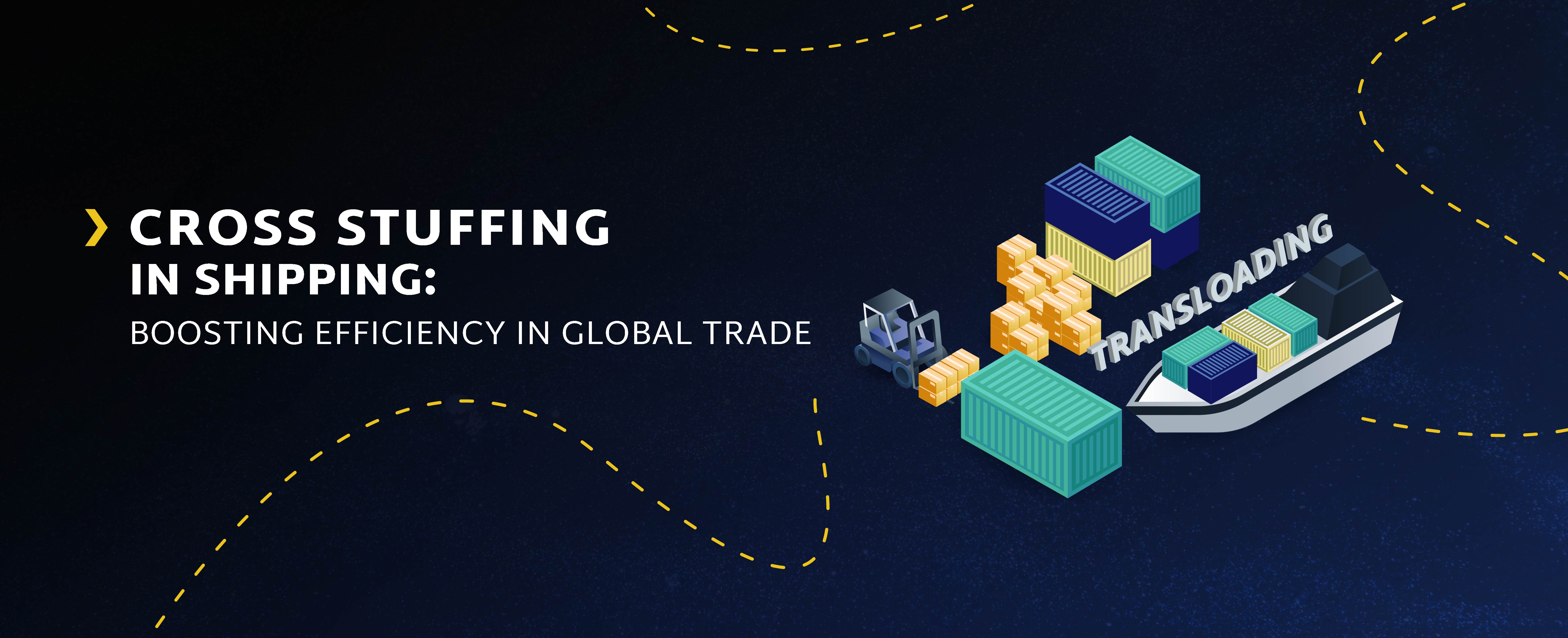
In today’s globalized economy, efficient and adaptable logistics are critical for sustaining the flow of goods across borders. Businesses face increasing pressure to minimize costs, maximize efficiency, and adapt to ever-changing market dynamics. One strategy that has proven invaluable in achieving these goals is cross-stuffing. This operational approach, which involves transferring cargo between containers during transit, addresses numerous logistical challenges and enhances supply chain efficiency. In this article, we delve into the concept of cross-stuffing, its advantages, challenges, practical applications, and its future impact on global trade.

Cross stuffing, often referred to as transloading, is the process of transferring cargo from one container to another during its journey. This technique is frequently used when the original container is unsuitable for the final leg of transit or when logistical requirements necessitate a change. For example, goods may need to be transferred from an international shipping container to a domestic one that better aligns with regional regulations or transport modes.
This process typically occurs at ports, warehouses, or specialized transloading facilities. During cross stuffing, goods are unloaded, inspected, and reloaded into new containers, ensuring minimal risk of damage or loss. The careful handling of cargo at this stage is critical for maintaining product integrity and meeting customer expectations.

Cross stuffing is a better strategy that offers a wide variety of benefits to the shipping industry. The key advantages include the following:
Cross-stuffing consolidates goods from a number of shipments or redistributes cargo to maximize the utilization of a container. Partially filled containers are reduced, which again cuts down on overall transportation costs and increases profitability. Furthermore, it helps an organization optimize freight costs by matching cargo volumes with the capacity of containers, thus avoiding unnecessary expenditure.
Cross-stuffing is also more flexible towards changes in routes of shipment, modes of transport, and regulatory changes. For instance, businesses can easily shift from ocean freight to rail or truck transport due to sudden changes in route or disruptions. It is highly applicable to industries with fluctuating demands or where sudden delays could disrupt supply chains.
The effective consolidation of cargo through cross-stuffing cuts down on waiting for containers, the utilization of storage space, and hurried delivery schedules. Since cross-stuffing enables businesses to re-pack and reorganize shipments on the fly to meet rapidly changing market needs, it certainly gives them that needed edge of competitiveness.
Various regulations concerning shipment by sea may require changes in the type of container or arrangement. Cross-stuffing ensures that all requirements are followed without compromising the schedule. For example, some countries have regulations on the types of containers to be used, and cross-stuffing makes it seamless to follow such decrees.
In cases where containers get damaged or become unfit for future use, cross-stuffing helps to move products to good and intact containers, minimizing loss or spoilage of products. Another risk that cross-stuffing mitigates is associated with hazardous materials by securely repackaging them into appropriate containers.

Cross-stuffing applications are common to many industries that require unique specifications:
E-commerce and Retail: Rapid changing consumer demands and requirements for timely delivery push cross-stuffing to keep the process efficient and consumer-friendly. Amazon and other E-Commerce giants in the sector mostly use transshipment to enable quick movement of their internationally received products to local fulfillment centers.


Despite its advantages, cross-stuffing carries with it some complexities, which must be properly negotiated by businesses.:
The process requires detailed planning to ensure smooth transitions. Any oversight can lead to delays, misplaced goods, or damaged cargo. Efficient communication between logistics providers, shipping lines, and customs authorities is required to address these challenges.
The setup and operation of cross-stuffing facilities involve huge investments. In areas where infrastructure is at a premium, the costs outweigh the benefits, especially for small-scale operators who cannot have the scale to justify such costs.
Adding just one more link in the chain may result in longer times of transit, most especially when inefficiency occurs at the point of cross-stuffing. Businesses can minimize delays, though, provided there is ample planning and a proper schedule.
More freight transfer means greater vulnerability to theft, tampering, or contamination. The implication here is the use of intensive security measures such as CCTV monitoring, sealing, and access control procedures. Besides, technologies like blockchain can be implemented to increase trust among stakeholders.

The following tips will enable organizations to maximize the benefits of cross-stuffing:

As the global shipping landscape evolves, cross stuffing is poised to play an increasingly significant role. Technological advancements, sustainability efforts, and innovations in logistics will shape the future of this practice:
The integration of automated equipment, such as robotic arms and conveyor systems, can enhance precision and reduce human errors in the cross-stuffing process. Automated container scanning systems can also accelerate the identification and organization of goods.
By providing secure, transparent documentation, blockchain ensures seamless tracking and compliance, reducing paperwork and enhancing trust among stakeholders. This technology also supports faster customs clearance processes, expediting shipment movements.
As industries prioritize eco-friendly practices, innovations in energy-efficient facilities and recyclable container designs will become critical. Businesses adopting green logistics will find cross stuffing essential in reducing carbon footprints by optimizing transport loads.
Advanced data analytics will provide insights into container utilization, transit times, and bottlenecks, enabling continuous improvement. Data-driven decisions will further optimize resource allocation and minimize delays.
Increasing trade between emerging markets will necessitate more sophisticated logistics solutions, including cross stuffing, to accommodate diverse regulatory and infrastructural requirements.

Cross stuffing is a transformative strategy in modern logistics, offering unparalleled flexibility, cost savings, and efficiency for global trade. While it involves certain complexities, the adoption of technology, strategic planning, and skilled partnerships can unlock its full potential. By minimizing waste, optimizing container usage, and ensuring compliance with regulatory requirements, cross stuffing not only addresses current logistics challenges but also anticipates future ones.
As industries face mounting pressures to streamline operations and embrace sustainable practices, cross stuffing emerges as a linchpin of global trade strategies. Its role in reshaping the supply chain underscores the need for investment in infrastructure, training, and technological innovation. In a world that values speed, adaptability, and reliability, cross stuffing ensures that businesses can deliver on their promises while adapting to an ever-changing landscape of international commerce. Ultimately, the continued evolution of cross stuffing practices will solidify its place as an integral component of a resilient and forward-thinking global trade ecosystem.
This article breaks down the most common trader mistakes that lead to major losses, explains why they happen, and shows how data-driven traders protect themselves in today’s global trade environment.

2025 is shaping up to be a pivotal year for the walnut trade. With the global market valued at approximately $8.5 billion, traders and exporters are asking a key question: Which format — shelled kernels or in-shell walnuts — brings higher profit? This article explains the economic dynamics, price dr
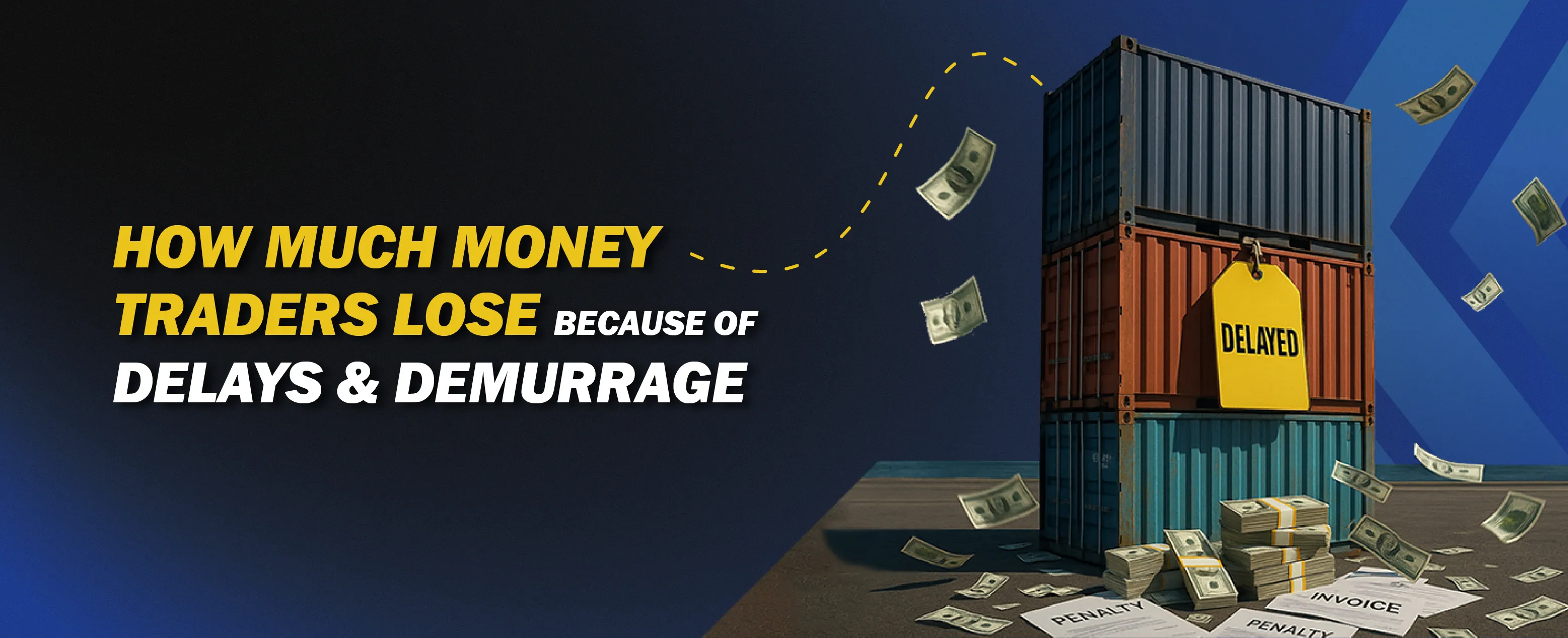
Demurrage and detention fees have become one of the biggest hidden costs in global shipping. Whether you trade nuts, spices, seeds, machinery, or consumer goods, D&D charges can quietly destroy your profit margin before your cargo even leaves the port.

The global nut industry is growing rapidly, but competition is also getting tougher. To succeed, exporters and traders need more than just high-quality products, they need a clear understanding of markets, strong logistics, and strategic planning.
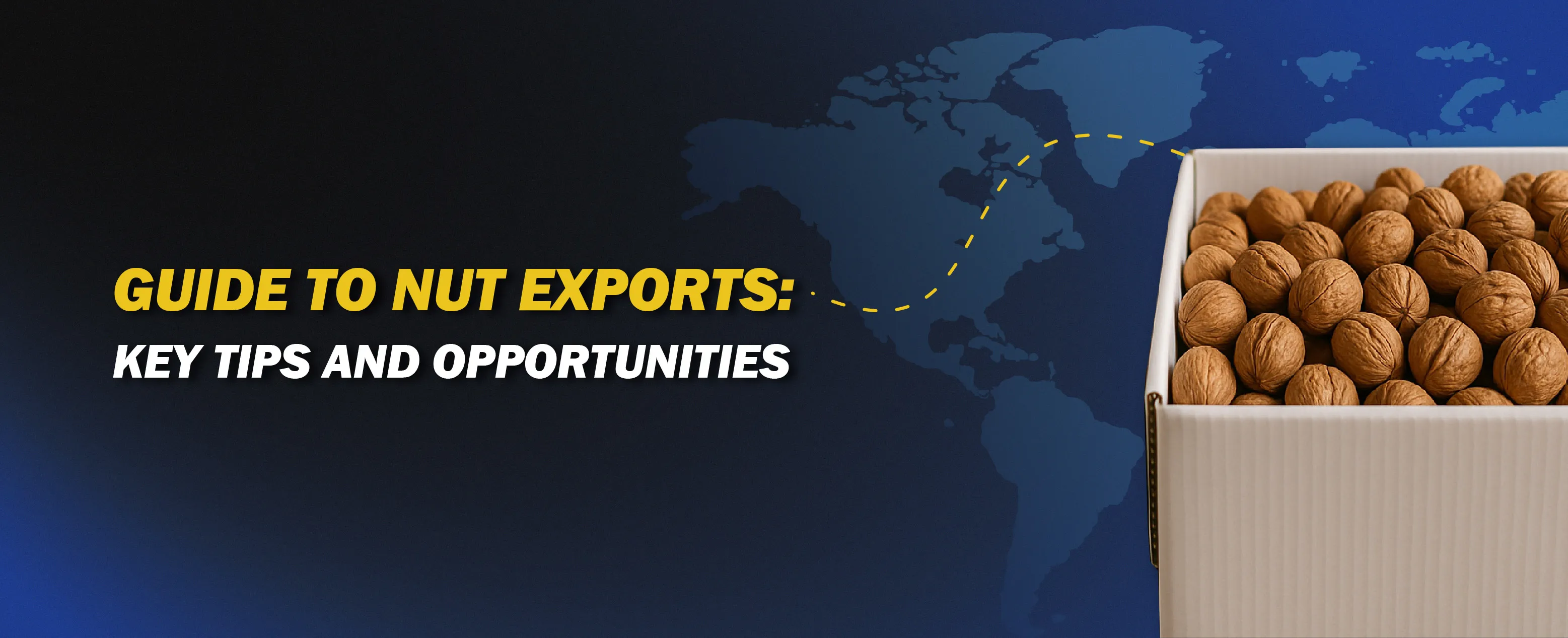
Nut exports are one of the most dynamic sectors in the global market. Products like almonds, walnuts, and lentils have high demand internationally, and exporters with the right strategy can secure a significant share of these markets.
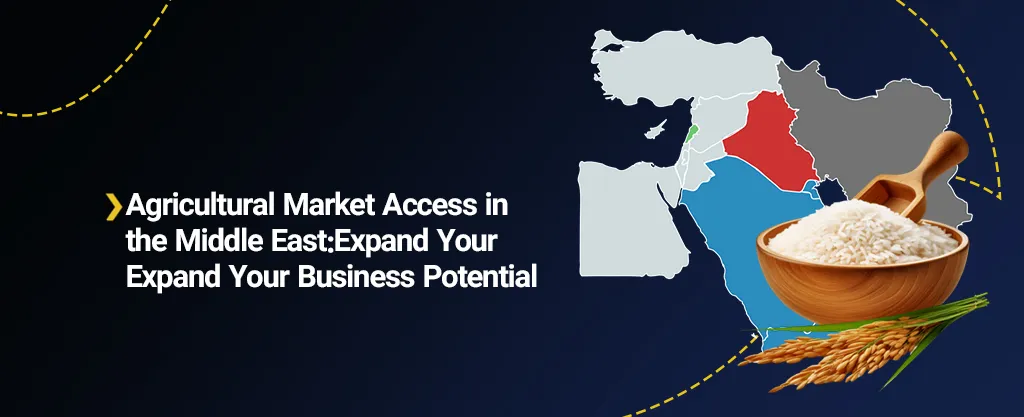
The Middle East and North Africa (MENA) region has more than 578 million inhabitants and relies heavily on foods that are not produced within the area.

Discover the top agricultural inspection services in 2025, ensuring safety, freshness, and compliance with global standards for farm exports, including Momex's innovative solutions.
In a modern, connected world, international trade is evolving in new digital concepts.

People increasingly desire food and nuts globally as they are concerned with their health, such as plant-based foods, and consume various foods from various locations.
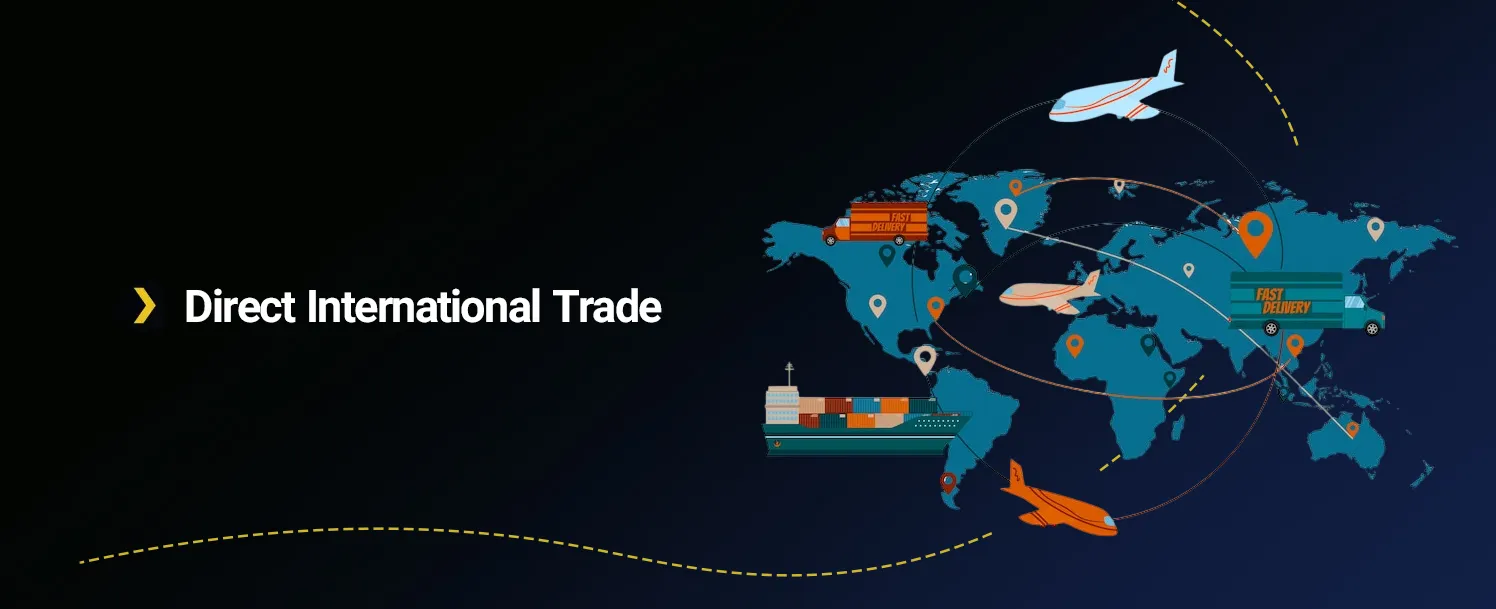
Discover how companies can boost revenue and reduce costs through direct international trade. Learn the pros, cons, and how online platforms simplify global B2B connections.