
This article breaks down the most common trader mistakes that lead to major losses, explains why they happen, and shows how data-driven traders protect themselves in today’s global trade environment.
2 months, 3 weeks ago

In India, nuts and dried fruit have been consumed much more heavily over the past decade. This is due to people being more health-conscious, having increased disposable income to spend, and being better informed about health issues.
The U.S. supplies good-quality almonds, walnuts, pistachios, and raisins, catering to India's increasing demand for them. This article examines the import trade of U.S. nuts and dried fruit into India. It addresses market opportunities, import regulations, leading companies, and trends.
India is a leading consumer of dried fruits and nuts globally, and more so, especially at weddings and festive seasons. India can be divided into:
- retail segment: Products found in food stores, hypermarkets, and online stores.
- Food processing sector: Employed in candy production, baking, dairy, and traditional confections.
- Hotel, Restaurant, Catering (HORECA): Upscale restaurants and hotels market costly nuts and dried fruits.

India is one of the largest consumers of nuts and dried fruits globally, with a market that’s both culturally rich and commercially promising. While the country produces several varieties locally, import demand is driven by quality, taste preferences, and off-season availability:
- Almonds: The United States exports the majority of the almonds, holding more than 80% of the Indian market.
- Walnuts: Primarily originate from California.
- Pistachios: Americans prefer U.S. pistachios rather than Iranian ones.
- Raisins and Cranberries: U.S. varieties are highly preferred for their quality and flavor.
- Blueberries and Pecans: Healthy and delicious food alternatives to suit people.
The United States has developed a global reputation for producing outstanding nuts and dried fruits, a reputation earned through:
- Advanced agricultural practices and post-harvest processing
- High standards of food safety and hygiene
A reliable supply chain with steady pricing.
Most U.S. exporters possess:
- USDA Organic
- Kosher/Halal certifications
- BRC, HACCP, and ISO standards
The certification increases the attractiveness to Indian importers and retailers, especially to health-conscious buyers.

Companies need to comply with a few necessary regulations and obtain specific licenses before importing nuts and dried fruits to India:
Issued by the Directorate General of Foreign Trade (DGFT), IEC is mandatory for all import-export businesses in India.
The Food Safety and Standards Authority of India (FSSAI) regulates food imports. The importers have to be registered and ensure that their food complies with Indian food safety regulations.
The certification assures that the fruit and vegetables are free of pests and disease, consistent with the Plant Quarantine Order of India.
It is issued by U.S. agencies or chambers of commerce to authenticate the origin of the product.
All imported foods must comply with the FSSAI labeling requirements, which include:
The customs duties vary based on the HS Code. Starting in 2024: - Almonds (in shell): ₹100 per kilogram. - Almonds (shelled): ₹35/kg - Pistachios: 10% with a further cess. - Walnuts: 30% duty (may change with trade negotiations)
The United States, especially its western states, is a leading global supplier of high-quality nuts and dried fruits. When planning exports to India, these key regions and states stand out for their production capacity, logistics infrastructure, and global reputation.
The largest producer of almonds, walnuts, pistachios, and raisins.
- This is where the Almond Board of California and key companies are situated.
Renowned for their blueberries and cranberries of high quality.
- Leaders in pecan production.
US exporters participate in trade shows such as SIAL India, IndusFood, and World Food India to connect with importers in India.
Once imported, nuts and dried fruits must reach the right consumers through well-planned distribution networks. India's vast and diverse retail landscape offers several channels for efficient product movement and brand growth.
Purchase them in bulk from U.S. suppliers and distribute them to stores, processors, or HORECA.
You can purchase organic and superior quality dry fruits at online stores such as BigBasket, Amazon India, and Nature’s Basket.
Modern retailers such as Reliance Fresh, D-Mart, and Spencer’s import or obtain goods directly from importers or foreign suppliers.
Use international ingredients in cereals, snack bars, candy, and baked goods.

Exporting nuts and dry fruits from the U.S. to India is a good opportunity, but there are some issues. The following are the key issues that companies have to face:
India imposes high taxes on nuts and dried fruits, making it difficult for importers to realize profits and determine prices.
Food safety regulations are to have proper labeling and ingredient specifications, or the shipments will be rejected.
Food Storage and Shelf Life Nuts are sensitive to heat and moisture and need a sound cold storage facility to maintain their freshness and quality. Money Changes USD-INR exchange rate fluctuations can increase import expenses, impacting the ending price and profit. Competing against Iranian and Local Suppliers, Cheaper alternatives elsewhere encourage importers to concentrate more on special goods, brand, and quality.
Health-conscious Indian consumers are gravitating towards organic nuts and dried fruit with no added preservatives. Products with USDA Organic certification are hugely popular.
Today, individuals prefer roasted nuts, flavored almonds, trail mix, and dried fruit mix.
Direct-to-consumer brands offering imported products in eco-friendly packaging with subscription models are thriving.
The stores want to introduce goods and market them under their brand names. This offers opportunities to U.S. suppliers that provide white-label services.
To begin a successful import business of dried fruits and nuts from the U.S. to India, you have to establish your business organization. You may be a sole proprietorship, an LLP, or a private limited company, but you have to register to be able to enter into contracts, have a bank account, and obtain a license. Once your registration is done, you will require two significant permits: the Import Export Code (IEC) by DGFT and an FSSAI license to abide by food safety standards in India. Such permits not only legalize your business but also gain the trust of your suppliers and customs officers.
Your business needs a reliable U.S. supplier or distributor. Ensure that your partners are good quality, competitively priced, and reliable in their shipping data. Get them to send samples and conduct tests before striking a deal to ensure that they abide by your brand and FSSAI regulations. Pre-testing the quality will save losses at a later stage and create a good reputation in the market in India. A sound supply chain is initiated with quality-checked sources.
Once your sourcing is in place, work on logistics and local operations. Appoint a Customs House Agent (CHA)—he or she will assist with customs clearance, prepare the paperwork, and avoid expensive delays. Concurrently, arrange sufficient warehousing, and cold storage in particular, to maintain freshness. Establish a mechanism to distribute your goods through wholesale markets, retail stores, and channels of modern trade, and invest in intelligent marketing to establish your imported goods as a quality and trustworthy brand. Every aspect counts to make imported goods a popular brand in India.

Importing nuts and dried fruits to India is not only a means to earn money, but also an opportunity to provide individuals with high-quality, healthy goods that are not produced in the country. Providing that it is done correctly, adhering to the regulations, and understanding the market, entrepreneurs can build a prosperous business in this niche. If your business is a wholesaler interested in distributing additional products or a new venture launching a health snack brand, this import stream brings profit and meaning. It connects California farmers to Chennai buyers and brings food from farms to tables.
Ready to start your import journey? Explore expert services with Momex and simplify your logistics, licensing, and sourcing with confidence.
This article breaks down the most common trader mistakes that lead to major losses, explains why they happen, and shows how data-driven traders protect themselves in today’s global trade environment.

2025 is shaping up to be a pivotal year for the walnut trade. With the global market valued at approximately $8.5 billion, traders and exporters are asking a key question: Which format — shelled kernels or in-shell walnuts — brings higher profit? This article explains the economic dynamics, price dr

Demurrage and detention fees have become one of the biggest hidden costs in global shipping. Whether you trade nuts, spices, seeds, machinery, or consumer goods, D&D charges can quietly destroy your profit margin before your cargo even leaves the port.

The global nut industry is growing rapidly, but competition is also getting tougher. To succeed, exporters and traders need more than just high-quality products, they need a clear understanding of markets, strong logistics, and strategic planning.
Nut exports are one of the most dynamic sectors in the global market. Products like almonds, walnuts, and lentils have high demand internationally, and exporters with the right strategy can secure a significant share of these markets.
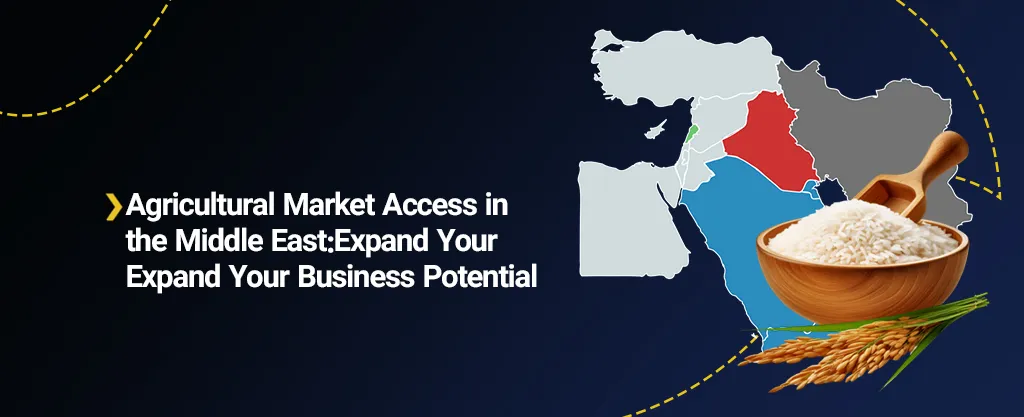
The Middle East and North Africa (MENA) region has more than 578 million inhabitants and relies heavily on foods that are not produced within the area.
Discover the top agricultural inspection services in 2025, ensuring safety, freshness, and compliance with global standards for farm exports, including Momex's innovative solutions.

In a modern, connected world, international trade is evolving in new digital concepts.

People increasingly desire food and nuts globally as they are concerned with their health, such as plant-based foods, and consume various foods from various locations.
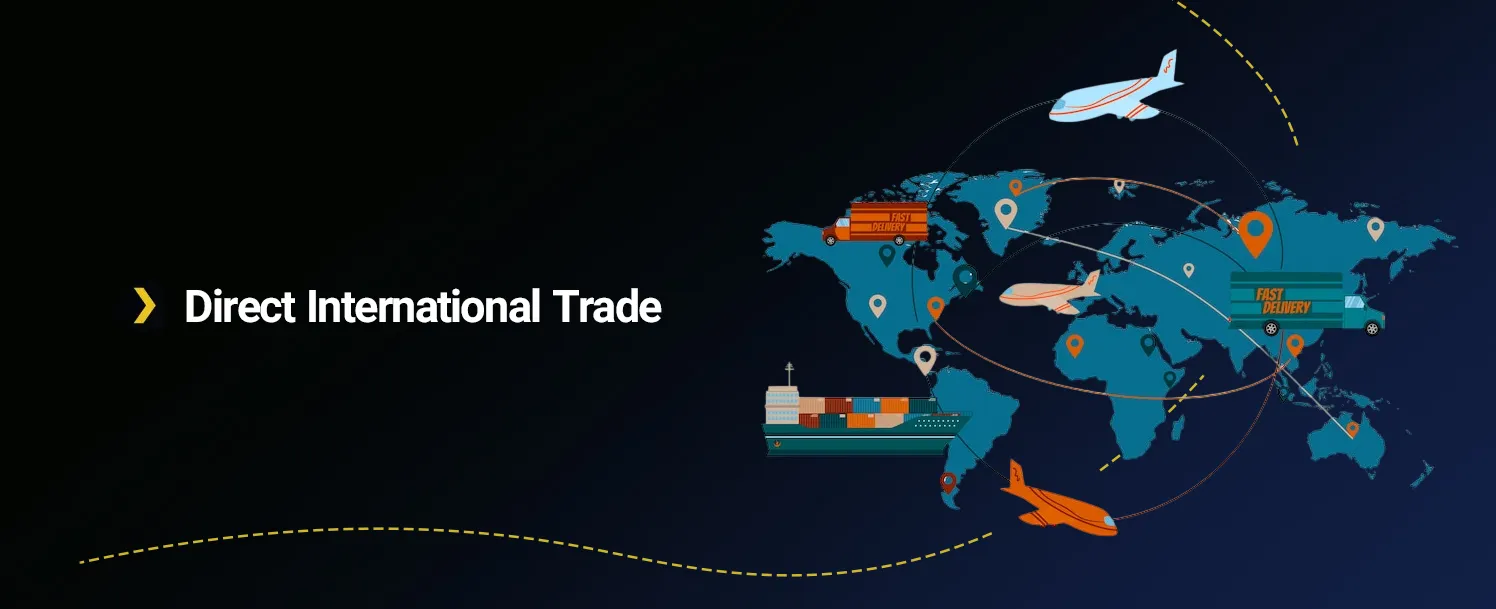
Discover how companies can boost revenue and reduce costs through direct international trade. Learn the pros, cons, and how online platforms simplify global B2B connections.