
This article breaks down the most common trader mistakes that lead to major losses, explains why they happen, and shows how data-driven traders protect themselves in today’s global trade environment.
2 months, 3 weeks ago
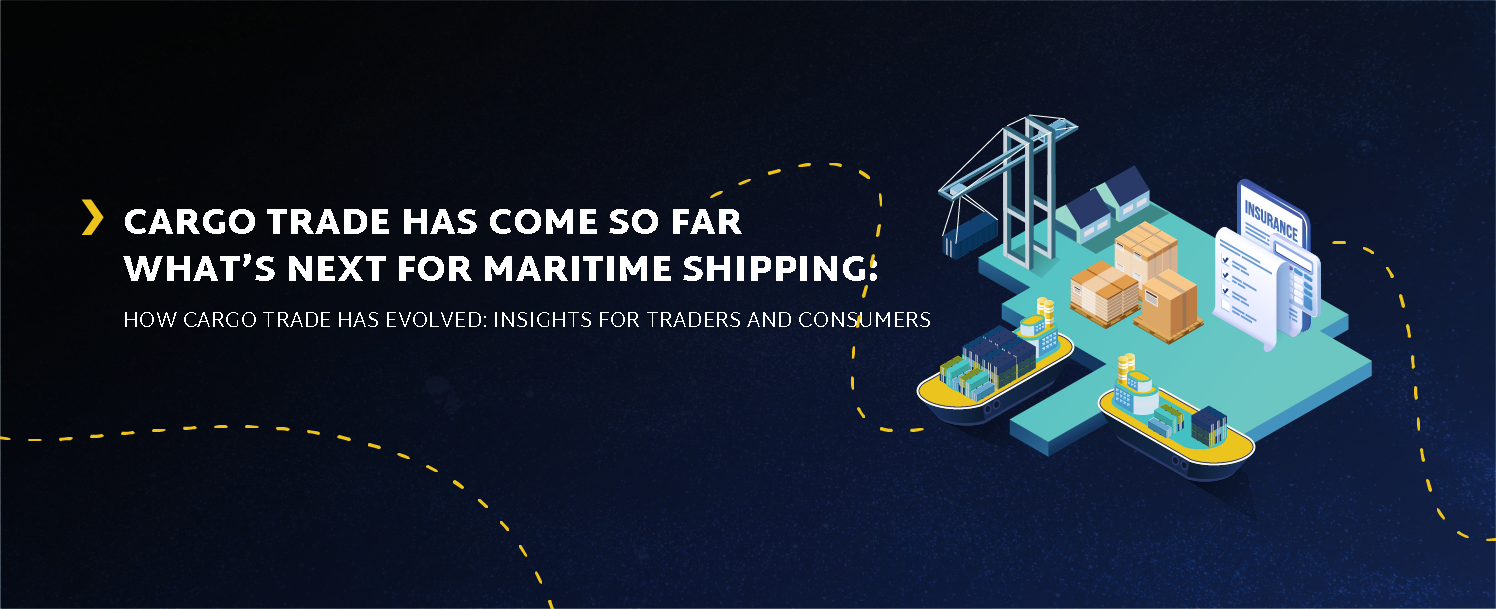
Have you ever wondered how products from across the world make their way to your local store or front door? Cargo trade is the engine that keeps global commerce moving, and its evolution over the years has been nothing short of remarkable. Let’s take a journey through the history of maritime shipping, explore today’s innovations, and uncover what the future holds for this vital industry.
Picture this: it’s the 1950s, and shipping goods is a slow, expensive, and complicated process. Then, containerization comes along and changes everything:
This revolution laid the foundation for today’s structured and scalable trade networks, powering economies worldwide.

Fast forward to the 21st century, where technology takes center stage. Digital platforms like Momex are transforming the logistics landscape by offering:
With these advancements, businesses can navigate global trade with greater confidence and precision.
Even with all this progress, cargo trade isn’t without its hurdles. Let’s explore some of the key challenges the industry faces:
Events like the COVID-19 pandemic have exposed weaknesses in supply chains, from delays to stock shortages. Resilience and adaptability are now more crucial than ever.
Trade disputes and route restrictions can disrupt shipping lanes, requiring businesses to find innovative workarounds.
As the world shifts toward sustainability, the maritime industry must address its environmental impact through cleaner fuels and greener practices.

Artificial intelligence is leading the way in inventory management, route planning, and demand forecasting. Imagine reducing delays and maximizing efficiency with AI-driven insights!
Blockchain technology is making waves by ensuring secure, fraud-proof documentation. This innovation simplifies transactions and enhances trust across the supply chain.
The future of maritime logistics is green. From eco-friendly vessel designs to low-emission fuels, sustainability is becoming a top priority for the industry.
Self-navigating vessels may sound like science fiction, but they’re closer than you think. These AI-powered ships promise to reduce human error, cut costs, and improve overall efficiency.

The evolution of cargo trade is a testament to human ingenuity. From the revolutionary days of containerization to today’s digital and sustainable innovations, this industry continues to drive progress.
Whether you’re a trader, a logistics professional, or a curious consumer, staying informed about these trends can open up exciting opportunities. Ready to embrace the future of maritime shipping? Platforms like Momex are here to help you navigate the ever-changing landscape of global trade.
This article breaks down the most common trader mistakes that lead to major losses, explains why they happen, and shows how data-driven traders protect themselves in today’s global trade environment.

2025 is shaping up to be a pivotal year for the walnut trade. With the global market valued at approximately $8.5 billion, traders and exporters are asking a key question: Which format — shelled kernels or in-shell walnuts — brings higher profit? This article explains the economic dynamics, price dr
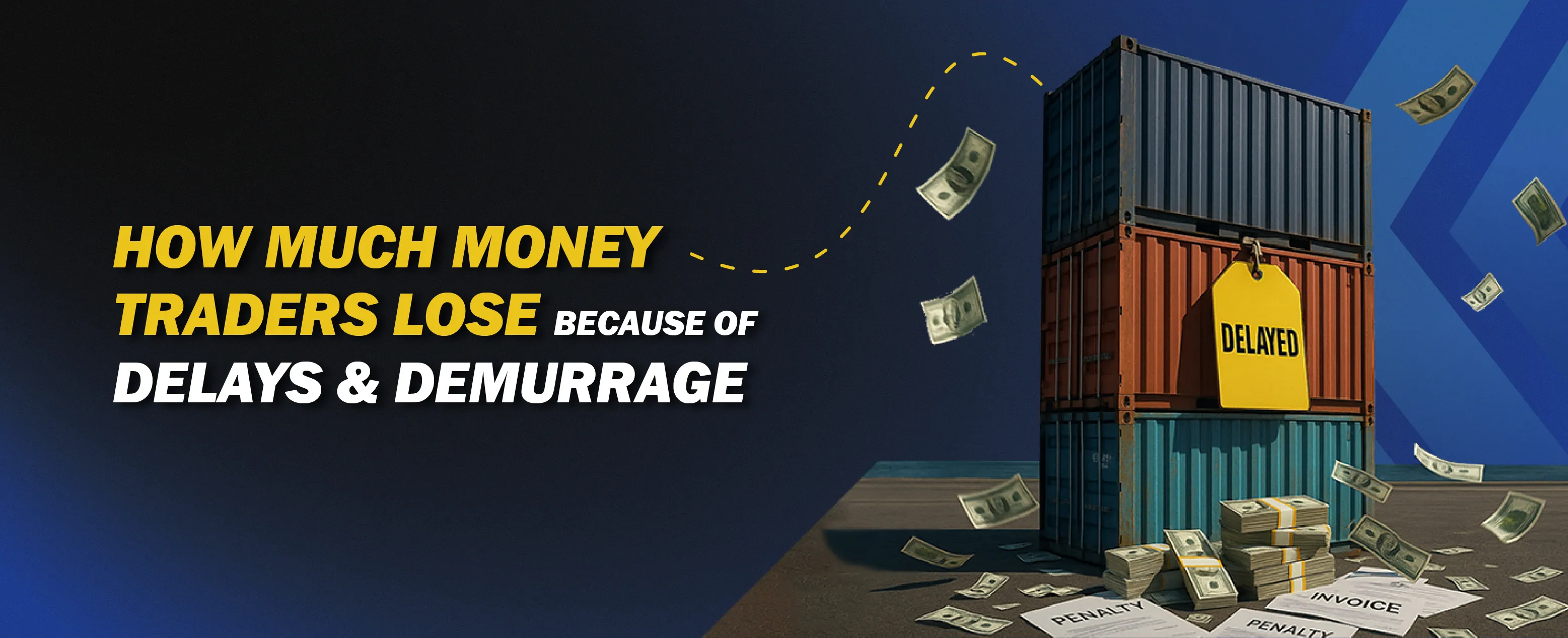
Demurrage and detention fees have become one of the biggest hidden costs in global shipping. Whether you trade nuts, spices, seeds, machinery, or consumer goods, D&D charges can quietly destroy your profit margin before your cargo even leaves the port.

The global nut industry is growing rapidly, but competition is also getting tougher. To succeed, exporters and traders need more than just high-quality products, they need a clear understanding of markets, strong logistics, and strategic planning.
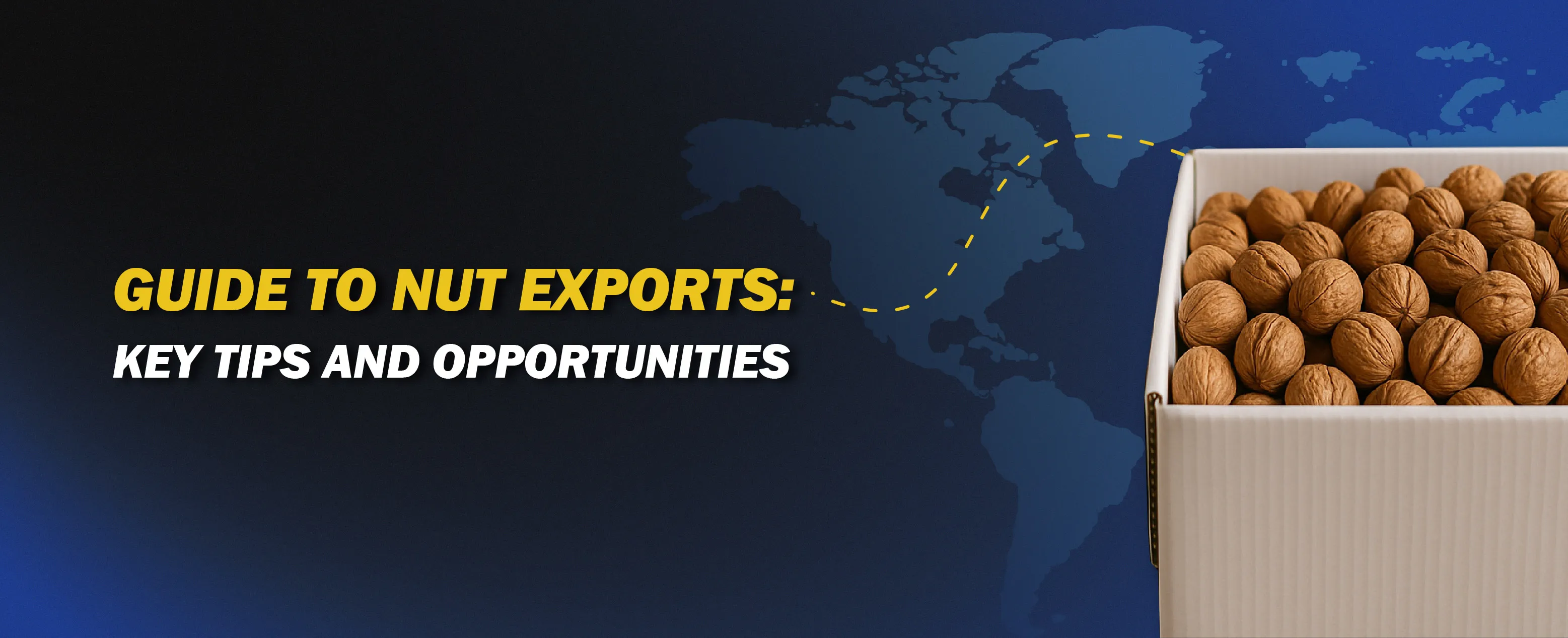
Nut exports are one of the most dynamic sectors in the global market. Products like almonds, walnuts, and lentils have high demand internationally, and exporters with the right strategy can secure a significant share of these markets.
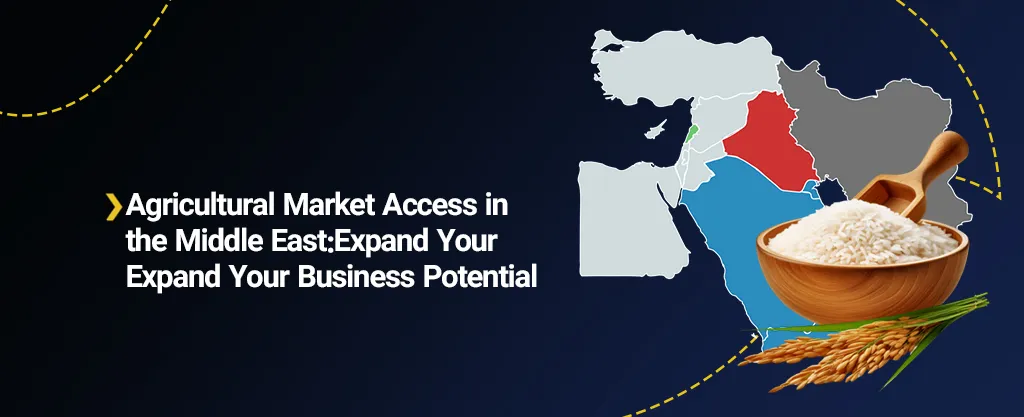
The Middle East and North Africa (MENA) region has more than 578 million inhabitants and relies heavily on foods that are not produced within the area.

Discover the top agricultural inspection services in 2025, ensuring safety, freshness, and compliance with global standards for farm exports, including Momex's innovative solutions.
In a modern, connected world, international trade is evolving in new digital concepts.

People increasingly desire food and nuts globally as they are concerned with their health, such as plant-based foods, and consume various foods from various locations.
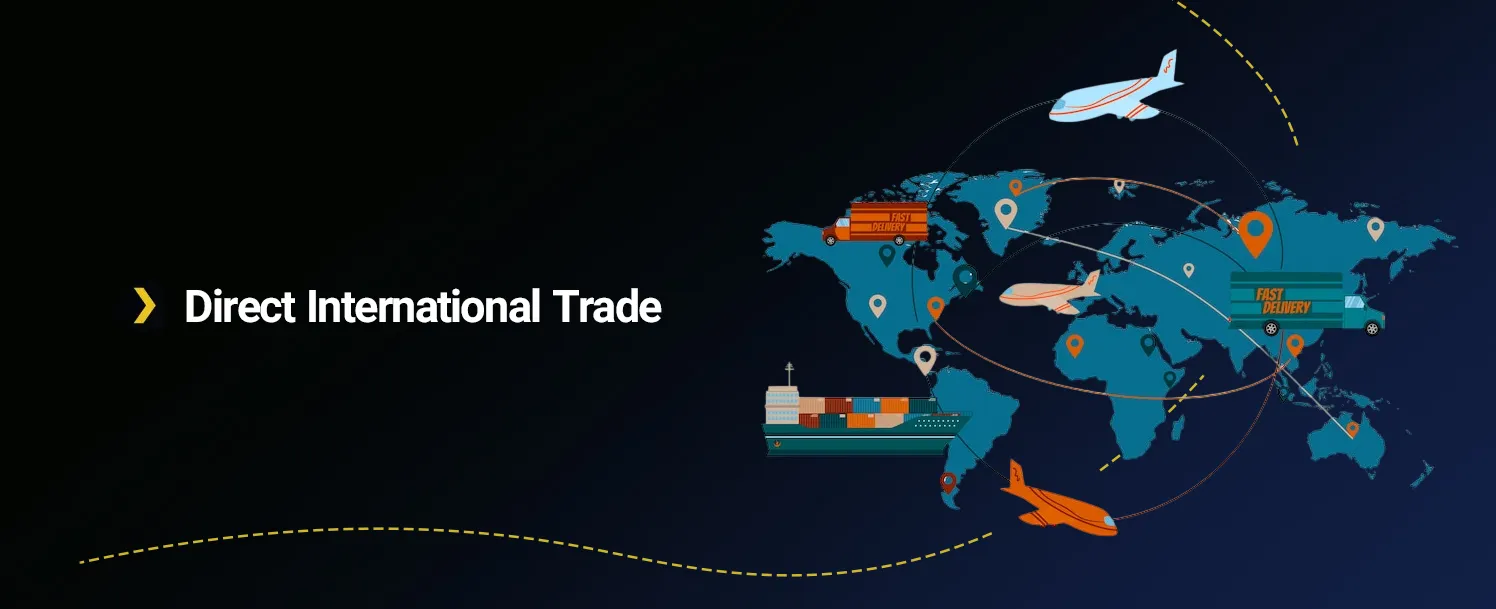
Discover how companies can boost revenue and reduce costs through direct international trade. Learn the pros, cons, and how online platforms simplify global B2B connections.